
Heating and Cooling: Energy Saving
Homeowners expect their heating and cooling systems to keep them comfortable without breaking the bank. The more energy efficient your heating, ventilation, and air conditioning systems are, the less they …

You’ve heard the term “energy efficiency systems” thrown around, probably while searching for ways to lower your utility bills or make your home more comfortable. But what does it actually mean?
It’s not one thing you can point to. Energy efficiency systems aren’t a single product you buy and install. They’re a collection of technologies and upgrades across your home’s electrical, HVAC, and plumbing systems that reduce wasted energy while keeping your home comfortable.
After 100 years of working on Denver homes—Bell Plumbing, Heating, Cooling & Electrical has been around since 1926—we’ve seen what works. The most effective efficiency improvements happen when you think about how these systems interact, not just upgrading one thing in isolation.
Energy efficiency systems are anything that monitors, controls, or improves how your home uses energy. That includes:
Lower utility bills, better comfort, less environmental impact. These systems deliver the best results when your heating, cooling, electrical, and plumbing systems are all optimized to work together.
Your electrical system touches everything in your home. Improving efficiency here means reducing waste, gaining visibility into usage, and creating the infrastructure for other upgrades.
LED lighting and smart controls are straightforward. LEDs use 75% less energy than incandescent bulbs and last 25 times longer. Add timers, dimmers, or motion sensors and you’re only using lighting when you need it.
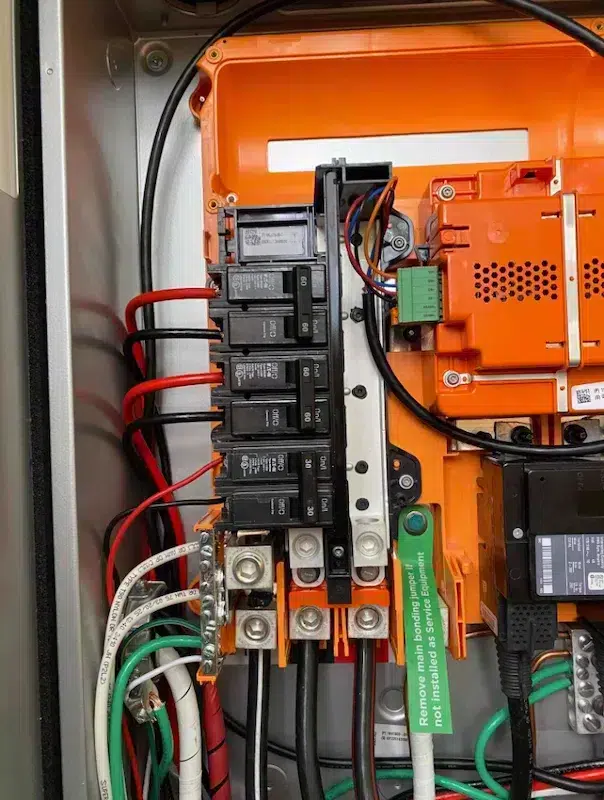
Electrical panel upgrades don’t save energy directly, but they enable everything else. Many Denver homes have outdated 100-amp panels that can’t support modern efficient technology like heat pumps, EV chargers, or battery backup systems. Upgrading your electrical panel gives you the capacity to add energy-efficient equipment without overloading circuits.
Energy monitoring systems give you real-time visibility into where electricity is going. Instead of guessing why your bill jumped, you can see which circuits are drawing power and when. That data helps you decide what to upgrade first.
Smart home integration ties everything together. When your smart home system connects lighting, thermostats, and appliances, you can create routines that prevent energy waste—automatically turning off lights and adjusting temperature when everyone leaves.
Heating and cooling typically account for 40-50% of a home’s energy use. In Denver, where you’re running heat through long winters and dealing with surprise hot days in spring and fall, HVAC efficiency makes a real difference.
Water heating is often overlooked, but it’s typically the second or third largest energy user in a home. Improving efficiency here means using less energy to heat water and reducing how much hot water gets wasted.
Tankless water heaters only heat water when you need it, instead of keeping 40-50 gallons hot around the clock. In Denver homes with inconsistent hot water demand, tankless systems can cut water heating costs by 25-35%.
Heat pump water heaters pull heat from surrounding air to warm water, using about 60% less energy than standard electric water heaters. They work well in basements and utility rooms where they can also provide a small cooling benefit during summer.
Low-flow fixtures and efficient delivery reduce the amount of hot water you use without sacrificing comfort. Modern low-flow showerheads and faucets deliver good pressure while using less water, which means less energy spent heating that water.
Energy monitoring tracks real-time electricity usage across your entire home or on specific circuits, giving you visibility into what’s happening.
The value isn’t just seeing the numbers. Monitoring helps you:
When you can see that your old refrigerator is using $15 worth of electricity per month, or that your HVAC system is cycling on and off more frequently than it should, you can make informed decisions about what to address first.
Denver’s climate creates specific efficiency challenges. You’re running heat heavily from October through April, then switching to cooling during those 90-degree summer days. Temperature swings of 30-40 degrees in a single day aren’t unusual. Your systems work harder here than they would in more moderate climates.
Utility rates keep climbing. Xcel Energy’s rates have increased steadily, and those increases compound when your systems are inefficient. Every percentage point of efficiency improvement shows up in lower monthly bills.
There are also rebates and incentives available for many efficiency upgrades. Xcel offers rebates on high-efficiency HVAC equipment, smart thermostats, and heat pump water heaters. When you stack those incentives with the long-term energy savings, the payback period gets shorter.
Efficient systems also last longer. Equipment that doesn’t have to work as hard experiences less wear and tear, which means fewer repairs and longer lifespans.
The upfront cost is real. A high-efficiency furnace costs more than a basic model. Smart controls add to project costs. Energy monitoring systems require installation.
But these systems pay you back every month through lower utility bills. Most efficiency upgrades in Denver homes reach payback within 3-7 years, then continue saving money for the life of the equipment—often 15-20 years for HVAC systems, 10+ years for water heaters, and decades for things like LED lighting and panel upgrades.
There’s also no comfort trade-off. Modern efficient systems perform better than older, wasteful ones. You get more consistent temperatures, better humidity control, and faster response times.
Start by understanding what you currently have and where the biggest opportunities are. In most Denver homes, that means looking at HVAC first (since it’s usually the largest energy user), then water heating, then electrical systems.
Focus on equipment near the end of its useful life. If your furnace is 15+ years old and you’re facing a repair, upgrade to high-efficiency equipment rather than patching an old system.
Work with a contractor who understands how electrical, plumbing, and HVAC systems interact. Efficiency improvements work best when someone can look at your whole home as a system, not just replace individual components. Bell offers same-day service for assessments, so you can get answers quickly and move forward when you’re ready.
Energy efficiency systems work best when they’re designed to work together. A smart thermostat becomes more valuable when paired with a high-efficiency HVAC system. Energy monitoring helps you get more value from every upgrade. Modern electrical infrastructure supports all the other improvements.
You don’t have to do everything at once. But thinking about your home’s systems as connected rather than just replacing things as they break leads to better results: lower bills, better comfort, and equipment that lasts longer.
Ready to identify the biggest efficiency opportunities in your home? Our team can assess your current systems and help you prioritize upgrades that deliver real savings.
With same-day service available, you can get expert recommendations without the wait. Schedule an appointment and we’ll show you where to start.
Some fixes are simple. Others need a pro’s touch. If you’re unsure, let Bell take a look—we even offer free second opinions. Call us today!

At Bell Plumbing, Heating, Cooling, and Electrical, we have proudly served the Denver Metro Area Since 1926! Check out this list of the cities we service. Give us a call for all your home service needs!
 All Service Areas