
Top Signs You Need Plumbing Repair & How to Prevent Costly Issues
Indoor plumbing keeps our lives running smoothly—from morning showers to clean dishes at the end of the day. But when something goes wrong, it can quickly disrupt our routine and …

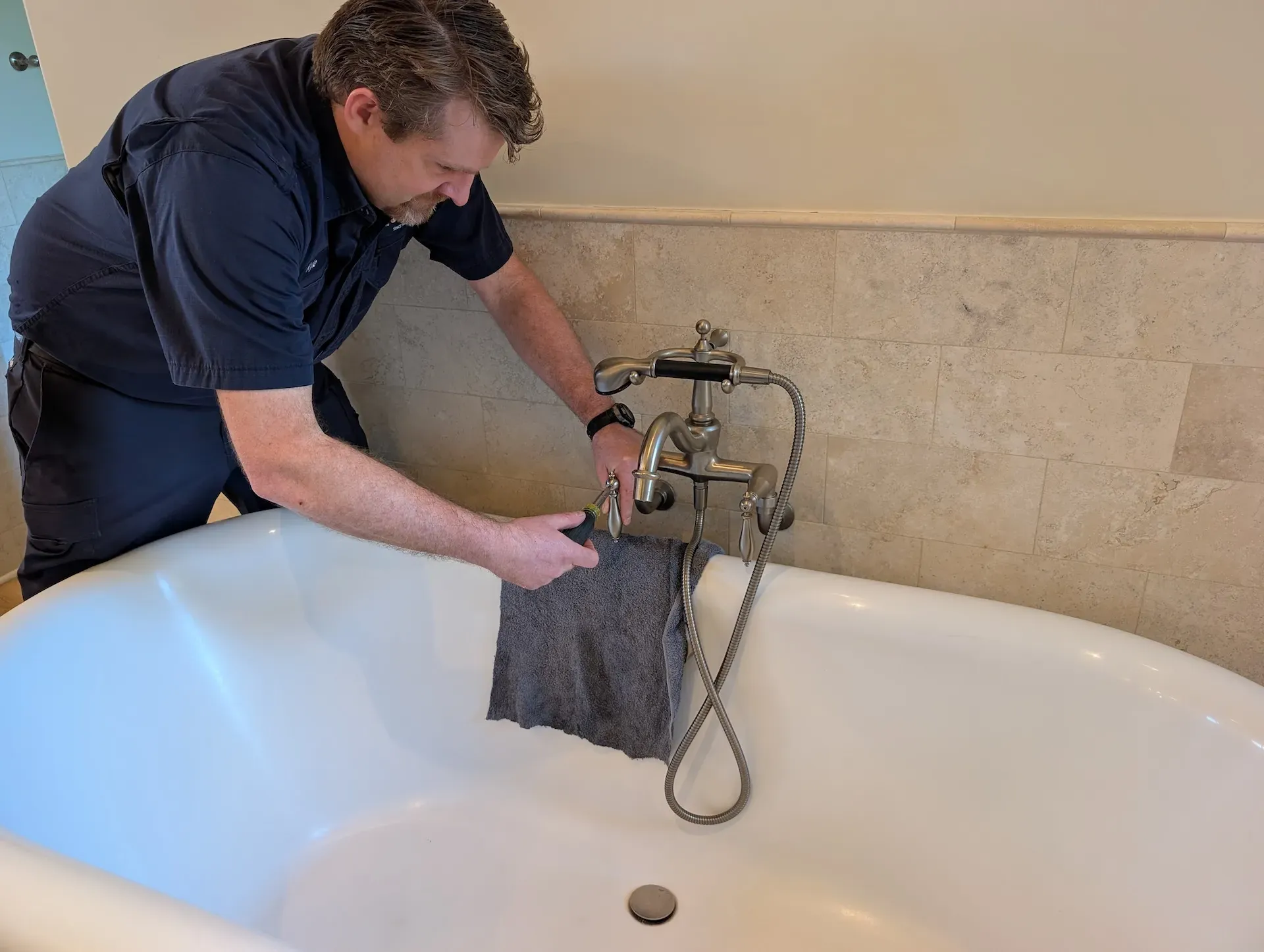
Most homeowners know to schedule annual furnace maintenance, change the batteries in their smoke and CO detectors, and swap out HVAC filters on schedule. But plumbing rarely makes that same list — and unlike a furnace that stops heating, plumbing problems tend to develop quietly behind walls, beneath floors, and underground, often for months before anyone notices.
A short annual walkthrough can catch most of these problems early. Here are the 10 things worth checking yourself, and where to go for the full how-to on each — or skip ahead and have the Denver plumbing service team at Bell Plumbing, Heating, Cooling & Electrical take care of the whole list for you.
A slow drip around a supply line or drain connection can damage cabinetry, flooring, and drywall long before it's obvious. Look under sinks for moisture or staining, and watch for musty odors near plumbing fixtures. For the full list of warning signs, see Beware These Signs of Hidden Plumbing Leaks.
A toilet that runs continuously or leaks around the base is usually a worn flapper, fill valve, or seal — and it can waste a surprising amount of water. See Why Is My Toilet Running All the Time? for the seven most common causes and what to check yourself before calling a plumber.
A sudden change in water pressure — high or low — can point to a partially closed valve, a hidden leak, or buildup inside your pipes, and it puts extra strain on fixtures and appliances either way. Why Is My Water Pressure Low? walks through the most common causes.
The flexible hoses connecting faucets and toilets to your water supply deteriorate with age, and a failed line can release a lot of water fast. Check them periodically for bulging, cracking, corrosion, or looseness at the connection — older rubber lines are worth replacing with braided stainless steel before they fail rather than after.
Your water heater runs every day without much attention, but sediment buildup, corroding connections, and failing components are common and develop gradually. Is Water Heater Maintenance Really Necessary? covers what a yearly inspection should include.
A single slow drain is usually a local clog, but if several fixtures are draining slowly at once, the problem is likely farther down the line. Skip the chemical drain cleaners — How to Prevent Clogged Drains explains why, and what to do instead.
Older pipe materials — cast iron, galvanized steel, clay — corrode and crack over time, sometimes underground where you can't see it happening. What Is a Slab Leak? explains how aging pipe failures show up and what causes them.
Water trapped in an outdoor line or hose bib expands when it freezes, and the resulting crack often doesn't show up until things thaw. The Frozen Pipe Guide covers disconnecting hoses, insulating exposed pipes, and what to do if a pipe freezes anyway.
If a pipe bursts, knowing how to shut off your home's water supply fast can make the difference between a quick cleanup and major damage. Locate it now, confirm it turns easily, and make sure everyone in the house knows where it is — don't wait for an emergency to find out.
Some problems — sewer line issues, piping behind walls, early corrosion — are hard to catch without the right tools. A sewer camera inspection lets a plumber see what's actually happening in your lines instead of guessing.
There's no single schedule that fits every home — pipe age, materials, water quality, and past issues all play a role. The main thing is to act on warning signs when they show up rather than waiting for a convenient time after something fails.
A little plumbing attention now can prevent a lot of expensive surprises later. If anything on this list turns up a concern, or it's just been a while since your plumbing had a proper look, Bell Plumbing, Heating, Cooling & Electrical is here to help.
Call (303) 731-5469Some fixes are simple. Others need a pro’s touch. If you’re unsure, let Bell take a look—we even offer free second opinions. Call us today!

At Bell Plumbing, Heating, Cooling, and Electrical, we have proudly served the Denver Metro Area Since 1926! Check out this list of the cities we service. Give us a call for all your home service needs!
 All Service Areas
