How Do I Repair a Leaking Outdoor Faucet?
In Colorado, we get a wide range of weather between early and late spring. With watering season ahead, now is when we find our outdoor spigots and sprinkler systems have …

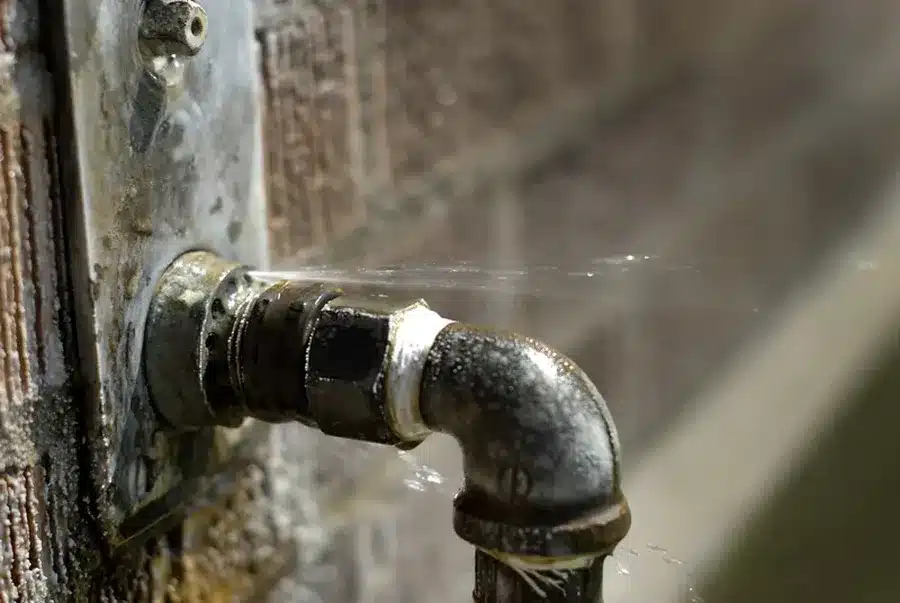
If your outside faucet keeps cracking and leaking, the root cause is almost always freezing temperatures and improper winterization—something many Colorado homeowners deal with year after year.
At Bell Plumbing, Heating, Cooling & Electrical, this is one of the most common springtime issues our Denver plumbers see. Homeowners turn on their outdoor water for the first time, only to discover a leak, low pressure, or even water damage inside the wall.
The good news? Once you understand why this keeps happening, you can fix the problem—and prevent it for good.
Outdoor faucets aren’t designed to hold standing water in freezing conditions. When temperatures drop, any water left inside the spigot or pipe begins to freeze and expand. That expansion creates internal pressure, which can crack metal, split pipes, or weaken seals over time.
What makes this issue frustrating is that the damage usually happens silently during winter—but doesn’t show up until spring when you try to use the faucet again.
Here are the most common reasons this problem keeps happening:
If your faucet is cracking repeatedly, it’s a sign that something in your winter prep—or your plumbing setup—needs to change.
A damaged outdoor faucet isn’t always obvious at first glance. In many cases, the issue only becomes noticeable once water is flowing again. Knowing what to look for early can help you avoid more serious (and expensive) damage inside your home.
Keep an eye out for these warning signs:
If you notice moisture inside your home, don’t ignore it—this could mean the pipe behind the wall has been compromised.
Fixing a cracked outdoor faucet starts with stopping any active water flow and understanding how far the damage extends. In some cases, it’s a quick and simple repair. In others, the issue may involve hidden pipe damage that requires professional help.
Before you do anything else, locate the indoor shut-off valve that controls your outdoor spigot. Turning this off prevents additional leaking and protects your home from further water damage.
Once the water is off, open the outdoor faucet to drain any remaining water and relieve pressure in the line.
Common locations: basement, crawl space, utility room, or near the exterior wall.
After shutting off the water, take a few minutes to carefully assess the situation. The goal here is to determine whether you’re dealing with a simple fixture issue—or something more serious behind the wall.
Here’s how to evaluate what you’re seeing:
Catching the difference early can save you from a much larger repair later.
If the damage appears limited to the faucet itself, replacing a hose bib can be a manageable DIY project for homeowners comfortable with basic tools. Just be sure you’re working with a threaded connection and not a soldered one.
Tools needed:
Basic steps:
Stop if: the connection is soldered or you’re unsure—this is where calling a professional can prevent costly mistakes.
While some outdoor faucet issues are straightforward, others can quickly become complex—especially if water has made its way inside your walls. Knowing when to call a professional can help you avoid structural damage, mold, and higher repair costs.
You should bring in a plumber if:
A licensed plumber can not only fix the immediate issue but also identify why your faucet continues to fail.
If you’re tired of dealing with the same issue every spring, prevention is key. Proper winterization protects your plumbing system from freeze damage and helps extend the life of your outdoor fixtures.
Here’s what to do before temperatures drop:
Taking these steps in the fall can save you from repairs—and frustration—when winter hits.
If your outside faucet keeps cracking and leaking, it’s not just bad luck—it’s a preventable issue tied to freezing water and system setup.
Replacing the faucet fixes the symptom.
Improving winterization and upgrading your equipment fixes the root cause.
For many Colorado homeowners, making these changes once is all it takes to avoid repeated damage year after year.
If you’re dealing with a leaking or cracked outdoor faucet—or want to make sure it doesn’t happen again—Bell Plumbing, Heating, Cooling & Electrical can help.
Our licensed Denver plumbers can:
Schedule your service today and protect your home before the next freeze!
Some fixes are simple. Others need a pro’s touch. If you’re unsure, let Bell take a look—we even offer free second opinions. Call us today!

At Bell Plumbing, Heating, Cooling, and Electrical, we have proudly served the Denver Metro Area Since 1926! Check out this list of the cities we service. Give us a call for all your home service needs!
 All Service Areas