
5 Ways to Improve Your Indoor Air Quality This Summer
As summer draws near, keeping your home cool is probably going to be one of your top priorities. But air conditioning is not the only thing you should have on …

When you think about air pollution, you probably picture smog over the city, wildfire smoke, or poor air quality warnings during Colorado's summer fire season. But what about the air inside your home?
The truth is, Denver indoor air quality (IAQ) can be just as important as outdoor air quality. In fact, the U.S. Environmental Protection Agency notes that indoor concentrations of some pollutants can be several times higher than outdoor levels.
And because most of us spend a significant amount of time indoors, the air circulating through our homes deserves a little attention.
Colorado homeowners face some unique indoor air quality challenges. Dry winter conditions, seasonal allergens, wildfire smoke, tightly sealed homes, fireplaces, and everyday household activities can all affect the air we breathe.
The tricky part? You can't always see or smell an indoor air quality problem.
So how do you know if your home's air could use some attention? Here, the Denver HVAC service pros at Bell Plumbing, Heating, Cooling & Electrical outline seven signs worth watching for.
Do you feel like you're constantly dusting furniture, wiping down surfaces, and vacuuming, only to find another layer of dust a day or two later?
Some household dust is perfectly normal. It comes from everyday activities, clothing fibers, skin cells, outdoor dirt, pet dander, and other particles that enter your home.
However, excessive or persistent dust can be a sign that airborne particles are circulating throughout your home rather than being adequately captured or removed.
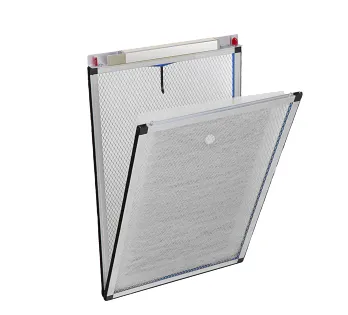
Your home's heating and cooling system plays an important role in air circulation and filtration. If filters are dirty, improperly installed, or not appropriate for your system, dust and other particles may continue circulating.
What to watch for: Dust accumulating quickly on furniture, visible particles in sunlight, excessive dust around supply vents, or dust that seems particularly noticeable when your heating or cooling system runs.
Have you ever walked into your home after being away for a few hours and immediately noticed an unpleasant smell?
Sometimes it's obvious, like cooking odors, pet smells, or a full trash can. Other times, the air simply feels stale or stuffy.
Persistent indoor odors can indicate inadequate ventilation or an underlying source of airborne pollutants.
In Colorado, homeowners often keep windows closed for extended periods during cold weather. Without adequate ventilation, odors and other airborne pollutants can accumulate indoors.
What to watch for: Rooms that consistently smell stale, lingering odors that don't seem to disappear, or a noticeable difference in how the air feels when you leave your home and return.
Colorado's naturally dry climate can make indoor humidity a challenge, particularly during the heating season.
When your furnace runs frequently, indoor air can become even drier, leaving your home feeling less comfortable.
You might notice:
These symptoms don't necessarily mean your home's air contains pollutants, but they can indicate that humidity levels are outside a comfortable range.
Indoor humidity is an important part of maintaining a comfortable home environment. Too little moisture can create discomfort, while too much can encourage mold and dust mite growth.
What to watch for: Persistent dryness throughout your home, especially during winter, or noticeable changes in comfort when your furnace is running.
Want to understand your options? Read Bell's guide: Should I Invest in a Humidifier in Colorado?
You can also learn more about how to keep your home comfortably humidified during the winter.
Do you find yourself sneezing, coughing, or dealing with irritated eyes and a stuffy nose more often when you're at home?
Indoor air can contain a variety of particles and pollutants that may aggravate allergies or respiratory sensitivities.
Colorado's changing seasons bring plenty of outdoor allergens, and those particles can make their way inside through open doors, windows, clothing, and pets.
If symptoms seem to improve when you leave home and return when you come back, your indoor environment may be worth investigating.
What to watch for: Repeated sneezing, congestion, coughing, or eye and throat irritation that seems more noticeable indoors, particularly in specific rooms or during certain seasons.
Keep in mind that these symptoms have many possible causes. Indoor air quality may be one factor, but persistent or worsening symptoms should be discussed with a healthcare professional.
Colorado is known for its dry climate, but that doesn't mean moisture problems can't develop inside your home.
Bathrooms, kitchens, basements, laundry rooms, and areas around plumbing fixtures can all experience excess moisture.
When humidity levels remain elevated, or moisture collects on surfaces, conditions can become favorable for mold and mildew growth.
Pay attention to:
Moisture problems shouldn't be ignored. Mold growth can affect indoor air quality and aggravate respiratory sensitivities.
What to watch for: Recurring condensation, persistent dampness, or musty odors that remain even after cleaning.
If you find visible mold or suspect a hidden moisture problem, identifying and correcting the source of the moisture is important. Air purification alone won't solve an underlying water or mold problem.
Colorado homeowners are familiar with wildfire smoke, but outdoor smoke isn't the only source of airborne particles that can affect indoor air quality.
Everyday household activities can introduce particles and gases into your home's air.
Consider what happens when you:
These activities can introduce fine particles, odors, and other pollutants into your indoor environment.
Wildfire smoke deserves particular attention. Even when the smoke outside isn't especially noticeable, particles can enter through doors, windows, and other openings.
What to watch for: Hazy air, lingering cooking or smoke odors, visible particles, or irritation that occurs during or after certain household activities.
A home's ventilation and air filtration systems can play an important role in managing airborne contaminants. However, the first step is understanding where the particles are coming from.
Does one bedroom always feel stuffy? Does the upstairs seem warmer than the downstairs? Do some rooms never seem to get enough fresh air?
Uneven airflow and poor air circulation can affect both comfort and indoor air quality.
Your heating and cooling system does more than regulate temperature. It also circulates air through your home, and its filtration and ventilation components help manage indoor air conditions.
Potential contributors include:
Modern homes can be particularly challenging because improved air sealing and insulation help reduce energy loss, but they can also limit the amount of fresh outdoor air entering the home if ventilation isn't properly addressed.
What to watch for: Rooms that consistently feel stuffy, noticeable differences in airflow, lingering odors, or comfort problems that don't improve when adjusting the thermostat.
If your home has persistent airflow issues, an HVAC professional can evaluate your system and help determine whether filtration, ventilation, or ductwork needs attention.
Recognizing the signs is the first step. The next is understanding which indoor air quality improvements make sense for your home.
There isn't one solution that addresses every IAQ concern. The right approach depends on what's affecting your indoor environment.
For example:
Other important steps include replacing HVAC filters according to manufacturer recommendations, keeping your heating and cooling equipment properly maintained, addressing moisture problems promptly, and ensuring adequate ventilation.
It's also important to remember that some indoor hazards can't be identified by smell or appearance. Carbon monoxide is odorless, and radon is colorless and odorless. Every home should have properly installed and maintained carbon monoxide alarms and should be tested for radon.
Your home should be a comfortable place to relax, recharge, and enjoy time with family. But comfortable temperatures are only part of the equation. The quality of the air circulating throughout your home matters, too.
If you've noticed excessive dust, lingering odors, persistent dryness, or other signs that your indoor air could be better, Bell Plumbing, Heating, Cooling & Electrical can help you explore your options.
Our HVAC professionals can evaluate your heating and cooling equipment, discuss whole-home air purification and humidification options, and help you make informed decisions about improving your home's comfort.
Since 1926, Bell has helped Denver-area homeowners stay comfortable in every season. Let us help you make your home a healthier, more comfortable place to live.
Visit Bell Plumbing, Heating, Cooling & Electrical to learn more about our indoor air quality solutions or schedule an HVAC consultation.
Call (303) 731-5469Some fixes are simple. Others need a pro’s touch. If you’re unsure, let Bell take a look—we even offer free second opinions. Call us today!

At Bell Plumbing, Heating, Cooling, and Electrical, we have proudly served the Denver Metro Area Since 1926! Check out this list of the cities we service. Give us a call for all your home service needs!
 All Service Areas
