
It’s Thunderstorm Season – Is Your Home Protected from Power Surges?
Protect Your Home From Power Surges Did you know that power surges cause, on average, a billion dollars a year in damages There is a way to protect not only …

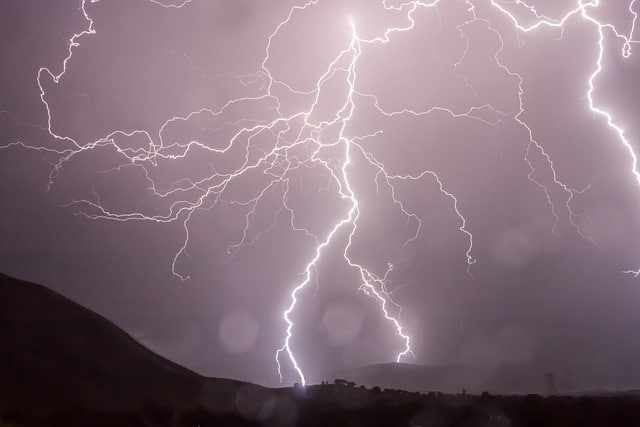
Lightning strikes are rare, but the damage they cause is very real. Fires, fried electronics, and dangerous power surges are just a few of the risks homeowners face when storms roll through.
And in Colorado, the odds go up. Our state regularly ranks among the top 10 for lightning strikes per square mile, especially during the summer months. From Denver to Centennial, fast-moving thunderstorms are part of life—and so is the risk they bring.
At Bell Plumbing, Heating, Cooling & Electrical, we’ve been helping Colorado homeowners weatherproof their homes for 100 years. Here’s what you need to know to protect your home from lightning—and how the licensed Centennial and Denver electricians at Bell can help.
When lightning hits your home—or even the ground nearby—it’s searching for a quick path to the earth. That path could include:
Once the lightning enters, it can travel through these systems in an instant, overloading circuits, frying electronics, starting fires, and even damaging your home’s structure.
Even if a strike doesn’t directly hit your home, the resulting power surge can cause serious harm. That means a storm across town could still knock out your Wi-Fi router or kill your refrigerator if your system isn’t properly protected.
A whole-home surge protector acts as a shield for your entire electrical system. When high voltage hits, it channels the excess power away from your wiring—before it can damage your appliances, HVAC unit, or smart home devices.
Bell’s licensed electricians install surge protection systems that protect your entire home, not just a few outlets.
For extra protection, you can layer in smaller surge protectors at individual outlets—especially for sensitive devices like TVs, gaming systems, and computers. These work best as a backup to a whole-home system.
A lightning protection system includes roof-mounted rods and conductive cables that redirect lightning safely into the ground. It doesn’t stop a strike, but it gives the energy a harmless route away from your home’s wiring and structure.
This is especially useful if you live in a tall home, a rural area, or one with minimal tree coverage.
A grounded system safely disperses excess electricity. Without proper grounding, your home is far more vulnerable to fire and surge-related damage.
Bell offers full electrical inspections in Denver and Centennial to assess your current setup and recommend updates if needed.
If lightning strikes nearby, electricity can travel through water pipes and power lines. During a storm, it’s safest to avoid:
If your home doesn’t have a surge protection system in place, unplug electronics when a storm is forecasted.
If lightning knocks out power to your neighborhood, a backup generator can keep your essentials running. That’s especially important if your home relies on electric-powered medical devices, a sump pump, or refrigeration.
Bell installs and services whole-home generators so you can stay safe and comfortable—no matter how long the power’s out.
Colorado’s elevation, dry climate, and mountainous terrain make it one of the most lightning-prone states in the U.S. Thunderstorms are common in the summer, and the risk isn’t just about frequency—it’s about infrastructure.
Many older homes in the Denver area were built before whole-home surge protection or updated grounding systems became standard. That means you could be relying on outdated safeguards—or none at all.
And in growing communities like Centennial, a sudden power surge can easily overwhelm neighborhoods with older transformers or aging underground lines.
Modernizing your home’s protection can help you avoid unexpected damage—and unexpected bills.
Bell has been serving Denver and Centennial homeowners for a century. Our team of licensed electricians is ready to:
When you book service with Bell, you’ll get honest assessments, flat-rate pricing, and courteous professionals who treat your home with the respect it deserves.
Lightning safety starts before the storm. Whether you’re looking for surge protection, an inspection, or a generator installation, Bell’s trusted electricians are here to help. We proudly serve homeowners across Denver, Centennial, and nearby areas.
Some fixes are simple. Others need a pro’s touch. If you’re unsure, let Bell take a look—we even offer free second opinions. Call us today!

At Bell Plumbing, Heating, Cooling, and Electrical, we have proudly served the Denver Metro Area Since 1926! Check out this list of the cities we service. Give us a call for all your home service needs!
 All Service Areas